What Is the DOE Dehumidifier Test Procedure?
The DOE dehumidifier test procedure is the federally mandated method every manufacturer must use to measure and report a dehumidifier's pint-per-day capacity and its Integrated Energy Factor (IEF) efficiency rating. The current version tests units at 65°F and 60% relative humidity, required for dehumidifiers manufactured on or after June 13, 2019, replacing a prior 80°F/60% RH test.
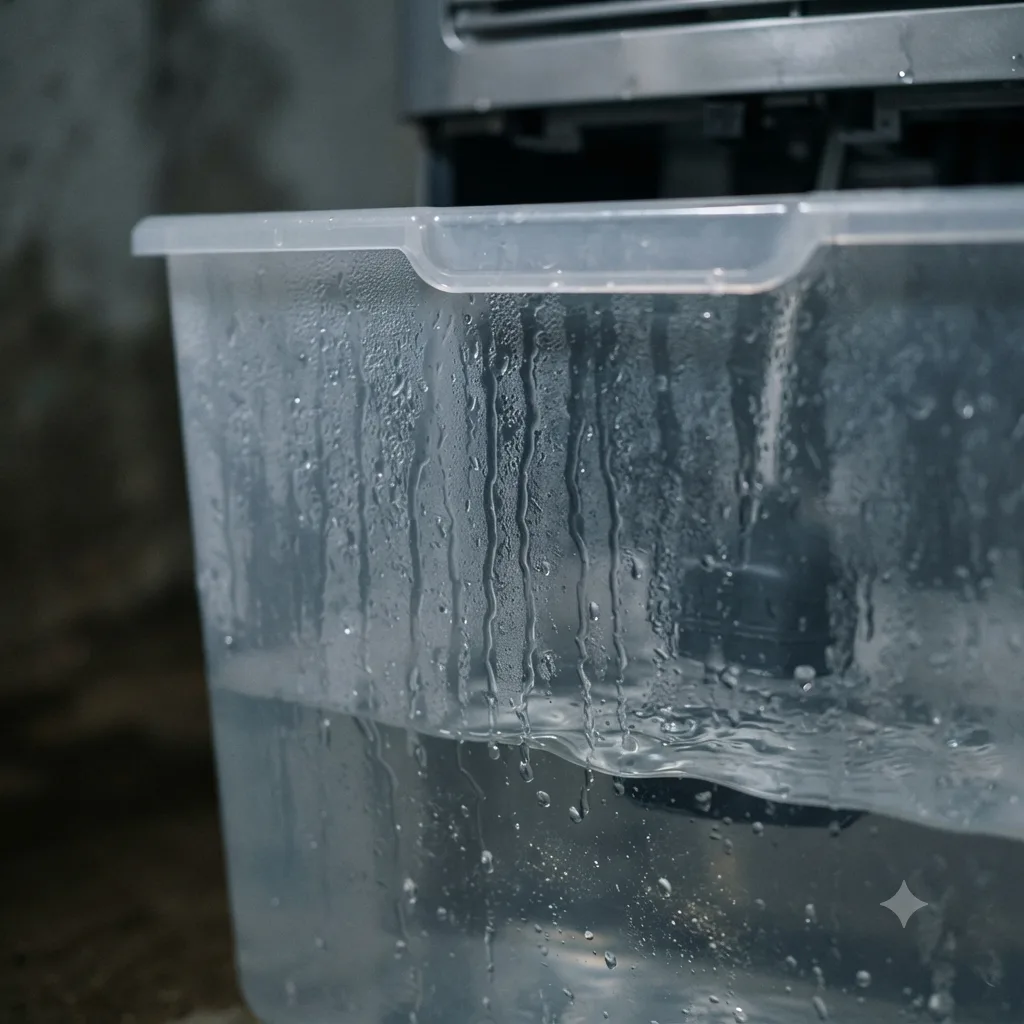
Why a standardized test procedure exists
Without a mandated test, manufacturers could each measure capacity under whatever conditions flattered their product most, making pint ratings meaningless for comparison shopping. DOE's test procedure, authorized under the Energy Policy and Conservation Act, forces every brand to test under identical conditions so the number on the box is at least comparable to a competitor's box — as long as both were tested under the same version of the procedure.
The 2019 change in one line
Test temperature dropped from 80°F to 65°F (both at 60% RH), which lowered every subsequent unit's measured capacity because cooler air holds less moisture. See Why Did Pint Ratings Drop? for the full reasoning and The Pint Rating Conversion Index for the exact old-to-new numbers.
Product classes under the test procedure
Portable dehumidifiers are split into three classes by measured capacity: Class 1 (≤25.00 pints/day), Class 2 (25.01-50.00 pints/day), and Class 3 (>50.01 pints/day). Whole-home/ducted units are tested and classed separately, with their own pint scale.
This page is a regulatory reference, not a health or mold-safety determination.
Frequently Asked Questions
It is the federally standardized method manufacturers must use to measure and report a dehumidifier's pint-per-day capacity and energy efficiency (IEF), set by the Department of Energy under the Energy Policy and Conservation Act. The current version tests at 65°F/60% relative humidity, effective for units manufactured on or after June 13, 2019, replacing the prior 80°F/60% RH test.
Any manufacturer selling dehumidifiers in the U.S. must test and report capacity and efficiency using DOE's specified procedure — it is not optional or a marketing choice. This is what makes pint ratings comparable across brands, as long as you know which version of the test produced the number.
DOE has continued rulemaking on dehumidifier test procedures and standards, including further Federal Register filings in 2023. This site's Pint Rating Conversion Index specifically covers the 2019 capacity-test change (80°F to 65°F); always check for the most current DOE test procedure notice for the latest requirements.
Integrated Energy Factor (IEF) is the efficiency metric introduced alongside the 2019 test change. Unlike the older Energy Factor (EF), IEF accounts for the energy a dehumidifier draws while cycled off (standby), giving a more complete picture of real-world energy use.